
Romantic Nobility
A Reflection on the Seventh Fundamental Tenet

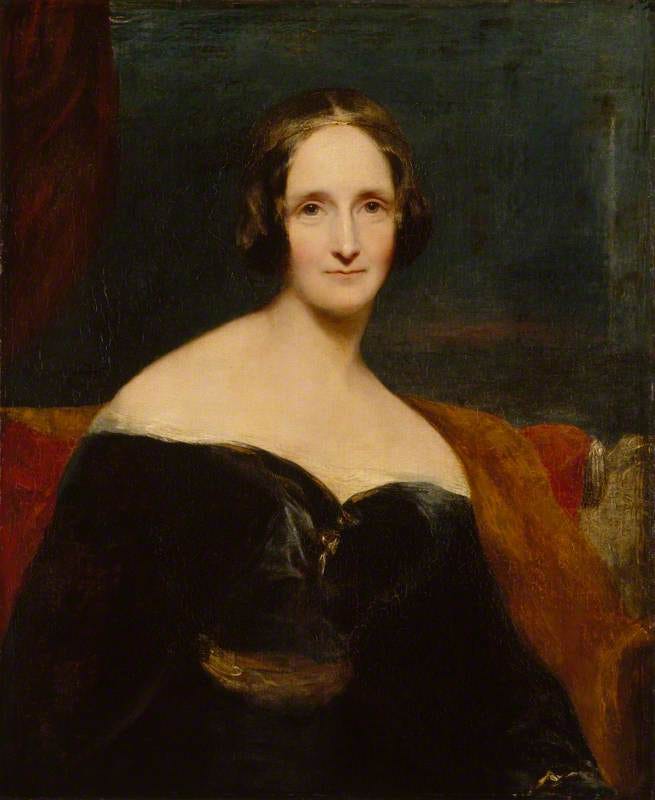
“It is true, we shall be monsters, cut off from all the world; but on that account we shall be more attached to one another.”
― Mary Shelley, Frankenstein
The Seventh Tenet is a tricky one, its virtues steeped in misunderstanding and myth. My first understanding of the Seventh Tenet was equate nobility to “Moral Courage“ as embodied by Tienanmen Square’s ‘Tank Man’. Last year, on this very site, I posited that Hobbes’s First Law “seek peace, and follow it” is a good and moral way to put the Seventh Tenet into action. For this reflection, I want to step back from the specificity of my first two answers and look at a grander narrative, a bigger understanding of Nobility from the perspective of the Romantics.
To have this conversation we need to have at least a general understanding of what the Romantic movement was and the world that spawned it. In the broadest, flattest strokes, Romanticism was a counter-movement to the Enlightenment that attempted to recenter humankind’s emotional needs and experiences in an attempt to re-enchant the world. Romantic art and philosophy of all kinds focused on awe, in particular the sense of overwhelming power of nature and our insignificance compared to it, and the sublime, the existential terror and wonder of being so insignificant in the world. Romanticism saw the beauty of cosmic horror and made it personal.
This is in contrast to the Enlightenment which was kicked off by the Scientific Revolution. In many ways the Enlightenment’s raison d’être was providing a moral justification to use what was learned during the Scientific Revolution to craft a new social contract. We in TST like to focus on the “good parts” of that project; fundamental rights, a belief in reason, representative democracy, but those weren’t the only children birthed. The Enlightenment also begot the Industrial Revolution and The Scramble for Africa to name but two of its less reputable offspring.
The machines of the Industrial Revolution combined with rapid urbanization maimed, poisoned, and sickened the populace; reducing the average life expectancy to the low 20s for the working class in parts of urban Britain. While Europe was choking on smog and sulphur, the Great Empires continued their colonization efforts, eventually leading to the Scramble for Africa which carved up the Mother Continent in an orgy of racist resource extraction. All of it sanctified by the convictions of commerce, crown, and church.
The Romantics also came of age during the Century of Revolution. They lived through the wars, and the consequences of said wars, that were inspired by the Enlightenment. Many of poets, composers, and philosophers of the movement got to see not only the tyranny of kings but the cruelty of the masses. The blood-stained purges of the Terrors and the oppression and wars of Napoleon Bonaparte both happened in living memory for many of the Romantics. Those born after those events grew up in their immediate shadows.
So it was in this period of radical, violent political and economic change spurred on by the “scientific realism” of the Enlightenment that Romanticism rose up against the perceived madness of the scientists, capitalists, and congresses to demand a return to a more idyllic past where the world was more clean, more pure, more noble. A time of wonder where those in authority took seriously the responsibilities noblesse oblige.
The heart-wrenching plea for people to accept the responsibilities of freedom and creation is at the core of Romanticism. The beauty and power of nature stood in stark contrast to the blackish-yellow fog of London. The celebration of heroic, honourable, good rulers offered sharp rebuke to the aloof aristocracy, corrupt politicians, and capitalists profiteers. Adventure and leisure were seen as the antidote to choleric slums and maiming factories. And of course the Devil, our Satan, became the hero standing against the Churches of Ialadbaoth who signed off on all this destruction and misery as God’s will.
Romantic Nobility is a call to responsibility rather than naive nostalgia or futile re-enchantment. Romanticism is not juvenile, overwrought sentimentality but an earnest call to remember what it means to be human in a time of great change. Mary Shelley’s Frankenstein isn’t anti-science but a call for creators to take responsibility for their creations. The Luddite rebellion wasn’t about a hatred of progress but a demand that human needs be taken seriously. We aren’t automatons of flesh and bone, but thinking, caring, loving creatures who need beauty and community as much as we need food and shelter. The Romantics validated all our needs. Their works were calls to nobility. They were attempts to bully the ruling classes into doing better by showing them what was lost, and how everything they built was insignificant to the power of nature. And if the gentry and aristocracy didn’t heed the warnings then maybe their next trip would be to the guillotine.
NOTE: Those of you even slightly versed with the Romantic period are likely to quibble about much of what I wrote in this piece. You should. I definitely took liberties and over simplified many things. I even cherry picked a bit to keep this piece under 800 words. The point of this article (a service declamation I used locally) was not to provide a perfect history of Romanticism but to set the emotional tone before a deliberation around the historical echoes of the time period when the Romantics wrote. If you are interested in the questions that were asked they are below. Feel free to answer them, too. I am genuinely interested in your thoughts on them.
What parallels do you see between now and the world the Romantics lived in?
What inspires you to live your life romantically and nobly?
How would you like to see others behave?
What can we do to create an environment to allow people to live nobly?
Thank you. Those that gather to deride emotion as sentiment are sheep following a wolf.
Now we're hobbling away from Capitalism. Back then they were faced with it.